Cat Boarding Vaccinations: A Practical Guide for Catteries and Cat Owners
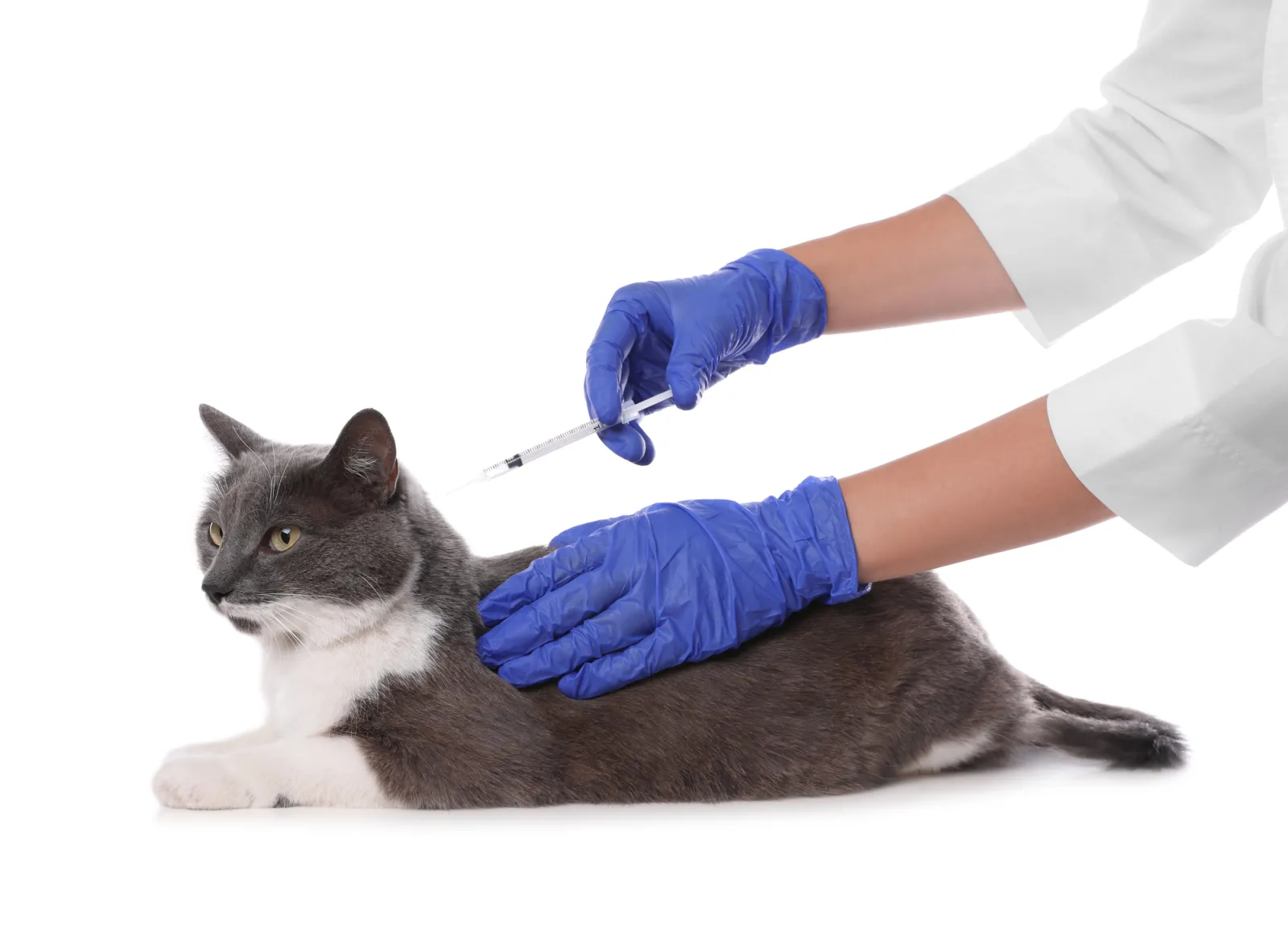
For most cat owners, preparing vaccinations for a cattery stay is straightforward.
They book an appointment with their veterinarian, explain that the cat will be staying in a cattery and make sure the required vaccinations are current. The veterinarian updates the cat's vaccination card or medical record, and the owner sends a copy to the cattery.
The cattery does not usually need to design a vaccination programme or interpret complicated medical information. It needs a clear policy, an up-to-date vaccination record and a reliable process for checking that the record remains valid for the planned stay.
This guide explains the main cat boarding vaccinations, why catteries ask for them and how vaccination cards can be collected and checked before arrival.
Why are vaccinations important for cat boarding?
A cattery brings cats from different households into the same establishment.
Even when cats are housed separately, staff, equipment, surfaces and the wider environment can create opportunities for infectious diseases to spread. Boarding can also be stressful for some cats, and veterinary guidance recognises boarding environments as presenting a higher level of exposure than life in a single-cat household.
Vaccination helps protect:
- The individual cat entering the cattery.
- Other cats staying at the establishment.
- Cats returning home to multi-cat households.
- The cattery's staff and business operations.
- Owners whose travel plans depend on the stay proceeding safely.
Vaccination does not make infection impossible, and it is only one part of disease control. Cleaning, isolation procedures, ventilation, staff hygiene and monitoring remain important.
However, requiring appropriate cat boarding vaccinations is one of the simplest and most established precautions a cattery can take.
Which vaccinations do catteries commonly check?
The precise requirements vary by country and by cattery. Owners should always check the policy of the establishment they plan to use.
However, several diseases appear regularly in cat boarding vaccination policies.
Feline panleukopenia — FPV
Feline panleukopenia is a serious and highly contagious viral disease. It is also known as feline infectious enteritis or feline parvovirus.
FPV can survive in the environment for long periods, making protection against it particularly important in places where cats from different households are accommodated.
Vaccination against FPV is considered a core vaccination in international feline vaccination guidance.
Feline herpesvirus — FHV-1
Feline herpesvirus is one of the main viruses associated with feline respiratory disease, commonly described as cat flu.
It can cause symptoms including sneezing, nasal discharge, eye problems and reduced appetite. Cats may also carry the virus after recovering, with symptoms sometimes returning during periods of stress.
Vaccination may not prevent every infection, but it can reduce the severity of illness.
Feline calicivirus — FCV
Feline calicivirus is another common cause of feline respiratory disease. It can also cause oral ulcers and other symptoms.
Vaccination against FCV is frequently combined with protection against FHV-1 and FPV. In the United States, this combination is commonly known as the FVRCP vaccine.
Rabies
Whether rabies vaccination is relevant depends heavily on location.
In many European countries, rabies vaccination is primarily connected with international pet travel rather than an ordinary domestic cattery stay. In parts of the United States, however, rabies vaccination is required by state or local law and may also be required by the boarding establishment.
A cattery should state clearly whether rabies vaccination forms part of its own admission policy.
Feline leukaemia virus — FeLV
FeLV vaccination is often based on the individual cat's age, lifestyle and risk of exposure.
It may be recommended for younger cats, outdoor cats or cats likely to come into contact with cats of unknown FeLV status. It is not universally included in cat boarding vaccination requirements.
The owner's veterinarian should determine whether FeLV vaccination is appropriate. The cattery only needs to explain whether it requires it as a condition of boarding.
The normal process for cat owners
Most owners do not need to research each vaccine independently.
The practical process is usually:
- Check the cattery's vaccination policy.
- Book a veterinary appointment if the cat's vaccinations are due or uncertain.
- Tell the veterinarian that the cat will be entering boarding.
- Give the veterinarian the planned arrival date.
- Ask for an updated vaccination card or medical record.
- Send a clear copy to the cattery before the stay.
The veterinarian can review the cat's history, age, health and lifestyle and advise which vaccinations or boosters are appropriate.
The cattery can then check the resulting record against its admission policy.
What is a cat vaccination card?
A vaccination card is the record supplied by the veterinary practice after a cat is vaccinated.
Depending on the country and veterinary practice, the record may be:
- A paper vaccination card.
- A vaccination booklet.
- A pet passport.
- A printed veterinary record.
- A digital certificate or document.
The format matters less than the information it contains.
A useful vaccination record should normally identify:
- The cat.
- The owner.
- The vaccination administered.
- The diseases covered.
- The date it was administered.
- The date a booster is next due.
- The veterinary practice.
- The veterinarian or authorised person who completed the record.
Vaccine stickers, stamps and signatures may also appear on the card.
Why a yes-or-no booking question is not enough
A cattery may ask:
Are your cat's vaccinations up to date?
This is useful as an initial booking question, but it should not normally be the only check.
Owners may genuinely believe the vaccinations are current while:
- A booster has recently expired.
- The card covers some diseases but not those required by the cattery.
- The kitten has received its first vaccination but has not completed the initial course.
- The vaccination will expire before the boarding stay.
- The owner is looking at an old copy of the record.
- The vaccination was recorded against a different cat.
The booking answer tells the cattery what the owner believes. The vaccination card provides the evidence needed to confirm it.
When should the cattery request the vaccination card?
The card should be requested early enough to resolve ordinary problems before the cat arrives.
A practical process is:
At the booking-request stage
Ask the owner whether the cat's vaccinations are current and explain that documentary evidence will be needed.
The booking can still be submitted, but it may remain provisional until the vaccination record has been reviewed.
After receiving the request
Ask the owner to upload or email a clear image of the vaccination card.
Give them a reasonable deadline. For example:
Please send a clear copy of your cat's vaccination record at least seven days before arrival. The booking remains subject to our vaccination requirements until the record has been approved.
The deadline is an operating choice for the cattery. It should leave enough time for the owner to contact their veterinary practice if anything is unclear or missing.
Before accepting or confirming the stay
Check that the record covers the vaccinations required by the cattery and that the dates remain valid for the booking.
Do not leave the first meaningful check until reception. Discovering an expired vaccination card while the owner is beginning a journey creates an avoidable problem for everyone.
Checking vaccination expiry dates
Vaccination records are time-sensitive.
A card that was valid when it was first uploaded may not remain valid indefinitely. This matters particularly when:
- A booking is made several months in advance.
- A regular customer reuses information from an earlier stay.
- A long booking extends beyond the next-due date.
- The cattery stores the vaccination card on the cat's profile.
- The owner has several future bookings.
The cattery should check the vaccination's next-due or expiry date against the entire boarding period, not only the arrival date.
For example, if the vaccination becomes due halfway through a two-week stay, the cattery needs to decide whether its policy requires the owner to arrange a booster before arrival.
The record should therefore include, where available:
- The date the vaccination was given.
- The date the next vaccination is due.
- The date through which the cattery considers the record valid.
- The date the record was checked.
- The staff member who completed the check.
Do not treat the vaccination card as permanently valid
Saving a vaccination card can make repeat bookings easier, but the document should not be treated as a permanent answer.
The cattery should check whether the saved record will still be valid for each new stay.
A simple repeat-booking process might be:
- Check the vaccination expiry date.
- Compare it with the new booking dates.
- Reuse the existing record if it remains valid.
- Request a newer card if it will expire before or during the stay.
This avoids asking regular customers to upload the same valid document repeatedly while still preventing outdated records from being accepted automatically.
What if the vaccinations have expired?
The cattery should apply its written policy consistently.
A suitable response might be:
The vaccination record supplied does not appear to remain current for the dates of your cat's stay. Please contact your veterinary practice and send us an updated record before the booking can be confirmed.
The cattery should not tell the owner which vaccine to administer or promise that a particular appointment will make the cat eligible.
The owner's veterinarian should make the medical decision. The cattery should decide only whether the resulting record satisfies its boarding policy.
Should indoor cats still provide vaccination records?
Many owners of indoor-only cats may reasonably ask why vaccination evidence is needed when their cat rarely encounters other animals.
From the cattery's perspective, the important change is that the cat is now entering a multi-cat boarding environment.
The establishment needs a policy that can be applied consistently to every cat it accepts. It may therefore require vaccination records from indoor cats as well as cats that normally go outdoors.
Any exception for a medical reason should follow a documented process agreed with the cattery's veterinarian.
Creating a simple cattery vaccination policy
A vaccination policy does not need to be long or medically complicated.
It should answer five practical questions:
- Which vaccinations are required?
- What evidence will be accepted?
- When must the evidence be provided?
- How long must the vaccinations remain valid?
- What happens if the requirements are not met?
A simple policy might read:
All cats must have current vaccinations against feline panleukopenia, feline herpesvirus and feline calicivirus. A clear copy of the cat's veterinary vaccination record must be provided before the booking is confirmed. Vaccinations must remain valid for the full duration of the stay.
The exact diseases and evidence should be adapted to the cattery's location, licensing requirements and veterinary advice.
For international differences, see our guide to cat boarding vaccination requirements by country.
Keep the process proportionate
For most customers, checking cat boarding vaccinations should be simple:
- The owner visits their veterinarian.
- The veterinarian updates the vaccination card.
- The owner sends the card to the cattery.
- The cattery checks the required vaccines and dates.
- The booking is approved.
The purpose of a good process is not to make owners complete unnecessary forms or force cattery staff to interpret veterinary medicine.
It is to make sure the correct record is received, checked and still valid before the cat arrives.

The Kennel Manager lets you add vaccination and other questions to your booking process and decide whether an unsuitable answer blocks the request or simply warns your team during review. This makes vaccination checks part of the booking process rather than a last-minute question at reception.